
No Medical Advice: Information and other content included on our blog is for general informational and educational purposes only and is not meant to be a substitute for the advice provided by a professional health care provider. You may not use or rely on any information contained here for choosing a treatment or diagnosing a health or medical problem or disease. Blogs approved for posting are opinions of the authors, and do not represent the opinions of DAI.
Always consult a professional health care provider regarding any health or medical condition or treatment. Do not delay or disregard seeking professional medical advice on account of something you have read on this blog.
If you’re like me when I received my Dementia diagnosis,I just assumed that, because Alzheimer's was always considered a disease with no cure,it was all, “well that’s wassup, business as usual, nope, nothing to see here folks.”
 Well, you may want to check yourself, ‘cause it looks like the first green shoots may have already shot up on the road to a possible cure in the maybe not-so-distant future in slowing one’s Dementia Diagnosis over time..
OK, Well “Where’s The Beef’ In All This Sudden Optimism for a Cure?
There are several promising advancements in the neurological field, especially when it comes to battling Alzheimer’s disease for those diagnosed with Young Onset Dementia as of 2025.
Reason To Believe Number One:
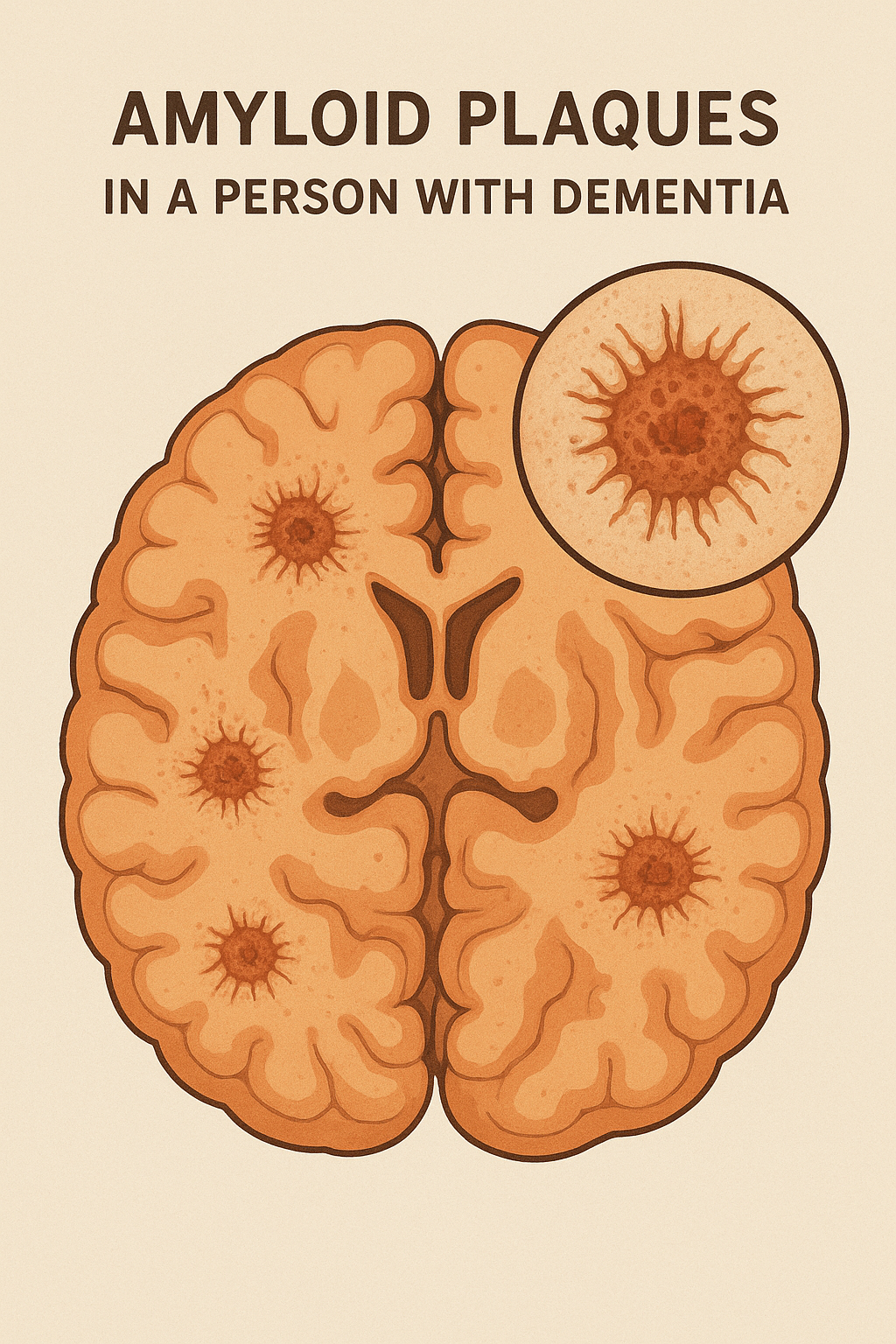
The Dawn Of Advanced Dementia Medication in 2025: Namely in the form of the dynamic duos Lecanemab and Donanemab,that target those nasty amyloid proteins in your Cabeza, can slow the rate of cognitive decline by roughly 30%-60% if administered early in the disease. Can I get a Woot! Woot
In fact,notably, Lecanemab directly targets the amyloid-beta plaques in the brains of those with Alzheimer’s while also slowing the progression in the early-stage of the disease.
Hmm….sounds kinda like a Dynamic Duo,battling it out on your behalf in crushing those nasty amyloid plaques in your brain.
 Caveat Alert:
While expensive and not everyone’s jam, these medications represent a mega leap towards tackling the underlying mechanisms that underpin Alzheimer's
(Yes,You Read That Correctly)
——
….Then There’s GL I. GL-II-73:This experimental drug, developed at CAMH, (in my hometown of Toronto I’m proud to say) recently reported in preclinical trials, that it can restore memory deficits and reverse brain cell damage in animal models of Alzheimer’s that addresses the root cause of cognitive decline and not just one’s symptoms, Say What!….slow ….clap.
——-
New Therapeutic Targets:
Research out of MIT and Harvard has identified previously unknown genes and cellular pathways linked to neurodegeneration.This offers fresh possibilities for new drug development, especially as new experimental and computational models accelerate the search for effective multi-target treatments. (An aside, I gotta say, these Neurologists are wicked smart, am I right? Sheesh!)
——
Innovative Approaches
Blood-brain barrier protection: A new drug developed at Case Western Reserve University targets the brain’s defensive barrier (BBB), not just neurons. In animal studies, it prevented neurodegeneration and preserved cognitive and memory capacity by maintaining the integrity of the BBB.
Noninvasive Focused Ultrasound:
Clinical trials have shown that focused ultrasound can safely open the blood-brain barrier and reduce amyloid plaques, improving neuropsychiatric symptoms in participants. This approach may enable more effective delivery of drugs to the brain.
Then There’s Repurposed Medicines Such as Semaglutide:
In a large-scale analysis, people with type 2 diabetes taking semaglutide had much lower rates of Alzheimer’s diagnosis than those using other diabetes drugs. Clinical trials are now evaluating its neuroprotective effects in early Alzheimer’s patients.
Early Detection Tools
A newly FDA-approved blood test for the presence of amyloid plaques now enables earlier and less invasive diagnosis. Early detection is key to managing and eventually curing dementia. So make sure to check in with your Neurologist, yo!
Robust Dementia Drug Pipeline:
Over 120 drugs for Alzheimer’s are currently in clinical trials, testing a variety of novel mechanisms including immunotherapies, anti-inflammatory agents, neuroprotective compounds, and devices such as graphene brain implants. -Well I’ll take your word for it?!
In Conclusion: We’re coming to a point where a couple of really innovative systems are coming together through better experimental models based on IPSCs (computational models that allow us to integrate huge amounts of data. When those two mature at the same time… then I think we’ll have some breakthroughs.” Wait, did I just hear Leanord Cohen’s version of Hallelujah ringing in my ears?
Key Takeaway:
While there is still no cure for irreversible forms of dementia, the progress from powerful new drugs, repurposed treatments, advanced diagnostics, and innovative therapies reflects unprecedented optimism in the field. The possibility of finding a cure—or at least dramatically improved treatment—is significantly higher now than ever before. -I’ll take that to the bank!

About the Author
Dave’s journey into young onset dementia began in the fall of 2023, at age 51, when friends and family started to notice a change in his cognition and memory. He was the last to know, and he suspects that probably rings true for those of you reading this and grappling with this disease out of the gates.
Little-by-little, though, Dave has come to largely accept his dance with dementia, without looking too far down the road. Moreover, he has a newfound perspective that sheds light on what is most important in his life. Dave’s career focused on content and copywriting for many organizations including managing the digital media portion of the London 2012 Olympics and working with companies including MLSE entertainment, Rogers Media and Canadian Running Magazine.
He is an avid photographer and loves to run - a lot - which helps him keep his brain healthy. Dave lives in Toronto with his wife, his dog, and two children aged 18 and 20 who are currently attending university.
No Medical Advice: Information and other content included on our blog is for general informational and educational purposes only and is not meant to be a substitute for the advice provided by a professional health care provider. You may not use or rely on any information contained here for choosing a treatment or diagnosing a health or medical problem or disease. Blogs approved for posting are opinions of the authors, and do not represent the opinions of DAI.
Always consult a professional health care provider regarding any health or medical condition or treatment. Do not delay or disregard seeking professional medical advice on account of something you have read on this blog.
🌟 About DAI
Dementia Alliance International (DAI) is a global advocacy and support organization led by and for people living with dementia. Our mission is to empower individuals with dementia to live with dignity, purpose, and support through peer-to-peer connections, education, and advocacy. Read more here.
🤝 Join Us
Are you living with dementia? Become a member today to access our peer support groups, webinars, and a global community of peers. Membership is free and open to people with a confirmed dementia diagnosis. Sign up here.
💙 Support Our Work
Your donations help us continue to provide free support services, raise awareness, and advocate for the rights of people living with dementia. Every contribution makes a difference. Donate here.
🔗 Connect With Us
Follow us on social media to stay updated!
Facebook | Twitter/X | Instagram | LinkedIn | YouTube
Or contact us directly at [email protected]